

Sleep is that golden chain that links our health and our bodies together. 🌙 If you’re finding yourself struggling to catch those much-needed z’s, or finding yourself staring at the ceiling and clock in the middle of the night, you’re not alone. For us busy people, juggling work, kids, families, dogs and every disaster that happens to pop up in one day, sleep can sometimes feel like that elusive childhood friend we just can’t seem to catch up with amidst our busy, whirlwind lives. But since good sleep roots us in wellness, it’s time to prioritise those peaceful slumbers. Here are 20 tips that are your lullaby for better sleep After all, getting a good night’s sleep isn’t just a luxury—it’s a pillar of good health. And like sleep connoisseur Matthew Walker warns us…
“The shorter your sleep, the shorter your life…”
Yikes!
The Ideal Sleep Environment
The perfect sleep sanctuary, as unromantic as it may sound, has been likened to that of a cave; as dark, cool and quiet as possible. And whilst I hope your cave has some little modern-day luxuries in it, like some comfy pillows, mattress and my fave, sustainable organic bamboo sheets, here’s how to transform your bedroom and create the ideal sleeping environment:
1. Temperature Control: Keep your bedroom cool for optimal sleep. This means ditching the heater being on all night during Winter and that electric blanket. The ideal temperature for sleeping is around 18°C or 65°F which seems to work magic for most.
2. Aromatherapy: Consider adding some soothing scents like lavender, ylang ylang and chamomile to your bedroom. These have been shown to ease anxiety and induce calm. Combine these scents with tip number 11 below and boom!

3. The Right Sound Can Be Profound: If falling asleep is a problem, many people find a white noise machine or soothing background sounds can be soporific and can mask distracting noises that might interrupt your sleep. Whilst these tools are great, I prefer a gadget free bedroom so if you have devices on for noise, ideally it would be great to remove them before you fall asleep or use them just to get you drowsy enough..
Pre-Sleep Routine is a Must
Having a pre bed time routine for the hour or two before bed is ideal. These activities shouldn’t look like a rigid checklist, but rather should be a personalised flow that gently prepares your body and mind for sleep and starts you winding down from the hectic day. Here are some of my favourites that work for me. Just remember, all activities should avoid blue light so no devices allowed.
4. Wind Down Time: Give yourself permission to slow down. Try a warm bath, reading a book (yes, a physical one!), doing some breathwork or meditating to signal to your body it’s bedtime. I also find this time perfect for writing in my journal.
5. Stretch It Out: Gentle yoga or stretching can relieve tension and help your body prepare for rest. In particular, I’m a fan of overhead stretches, neck side to side stretches and a seated lower back stretch which I’ve popped the instructions for below:
- Sit on the floor with legs spread as far apart as is comfortable with your knees straight but not locked
- Inhale and raise both your hands above your head and stretch as high as possible
- Exhale and slowly reach your hands toward your right ankle
- Hold the stretch at a position that feels comfortable to hold for about 10 seconds
- Slowly return to your starting position
- Repeat the stretch on the left side
- Repeat the stretch 3 times per leg
Eating and Drinking Decoded
It’s no longer just a matter of “you are what you eat”, but “your sleep is what you eat and drink” too.
6. Dinner Time: Ideally, you want to finish having your dinner by sunset or as close to as possible. And if that’s not do-able due to busy schedules and life, aim to finish eating at least 2 – 3 hours before bed. The most important thing you want to do is dodge heavy meals before bedtime and also sugary snacks. If you eat too close to bedtime, your body will still utilise high amounts of energy digesting food, preventing your body from entering a deep and restful sleep.
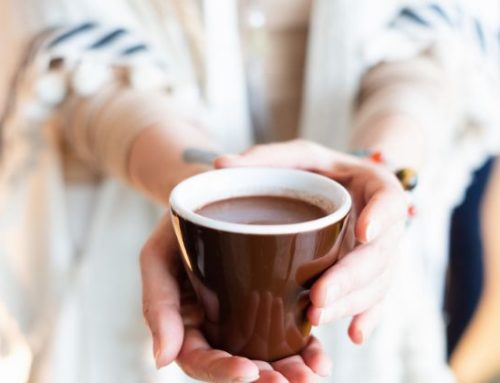
7. Limit Caffeine and Alcohol: Avoid drinking coffee 10 – 12 hours before bed. Whilst many people will proudly say “coffee doesn’t affect my sleep” the truth is caffeine does linger in your body for longer than you think. Caffeine has an average half-life of five to seven hours. This means if you have a cup of coffee after dinner at around 7:00 pm, by 1:00 am, 50 percent of that caffeine may still be active and circulating throughout your body. It also means you’re only halfway through the job of cleansing your brain of the caffeine you drank after dinner meaning that instead of completely resting, your body is still cleaning up after your café late.
Alcohol is also a no no before bed. Whilst you may think it makes you drowsy and relaxed, alcohol and metabolising it often leads to disrupted sleep later in the night.
Sunlight and Routine
Getting a good night’s sleep actually starts the minute we wake up. Our circadian rhythm is our best friend and critical for a healthy sleep-wake cycle so it’s important we send the right messages to our brain and the trillions of internal clocks that are present in every cell, organ and system in our body.
8. Morning Light: The ideal time to wake up is just before sunrise so you can catch the first light of day. Going outside shortly after awakening and getting direct sunlight exposure for at least 10 – 12 minutes is what your body needs. This helps to regulate your circadian rhythm and natural sleep cycle and tells your brain what time it is. Remember to take off your glasses and contacts (if it’s safe) and definitely ditch those sunglasses. You want to get direct exposure to that first light (known as the golden hour) and exposure to the full spectrum of light that comes from our sun.

9. Consistent Sleep Schedule: Our bodies love routine, so try to go to bed at the same time every night and wake up at the same time each morning, plus or minus an hour. And yes, even on the weekends and your days off. I know that may sound like a drag but you do want to aim for a similar wake and sleep time all through the week to ensure our circadian rhythm stays ticking along nicely. Remember, consistency is queen.
Gadget Free Time
Modern technology is wonderful, but it does have its downsides. Apart from always being there to distract us and keep us switched on – be it for work, grabbing a great online sale or catching up with the latest tips on Insta, there are downsides. Firstly, we don’t get the chance to switch off completely with messages constantly bombarding us from multiple platforms. Secondly, and worse, is we’re constantly being exposed to artificial light and the blue light from screens. This blue light has been shown to be incredibly harmful to our health and our circadian rhythm so here’s how to avoid ALAN (artificial light at night) and how to turn your bedroom into a tech-free oasis.
10. Digital Sunset: Power down electronics at least two hours before bed. Ideally, we should use Mother Nature as our guide so when the lights go off outside and our beautiful sun has set, it’s time for the lights and devices to go off inside too. This means TV, computers, iPads and yes, your phone, too, fabulous as your social media feed may be. If this is way too hard and you have to be on a device, tip number 14 is for you.
11. Mind the Lights —Most of our lights today are LED lights. These are brighter than ever and emit a tonne of blue light rather than also emitting the reds and orange lights that are present in full spectrum lighting and the light bulbs of the past. As the sun goes down outside, try to mimic that outside environment inside. The best way to do this is by dimming down your lights, using full spectrum lights or ambient lighting like lamps or why not opt for candles instead. After all, who doesn’t love the look of candles and how they make you feel right?
Helpful Sleep Aids
If sleep is still eluding you and you feel like you need to call in the reinforcements, here they are.
12. Consider Supplements: Magnesium is the supplement of relaxation and has been well documented to help with sleep. A brand that I like and have used in the past is Bioptimizers Magnesium Breakthrough. You can also check out my Must Haves page for more suggestions. Another sleep inducing supplement that I like is the Ora Health Sleep They use really high-quality organic ingredients and their Profound Sleep actually works! Just remember, it is important to consult healthcare professionals before beginning any supplement regimen.
13. Sleep Masks: I’m fortunate that my sleeping oasis is quite dark. I’m particular about making sure that there are no pesky LED lights from my clock or outside the bedroom sneaking through and I’m lucky I don’t have any bright street lights outside my bedroom window. If you’re however finding you can’t get your room dark enough, then a sleep mask would be ideal. Two brands that I adore, Boncharge and BlockBlueLight. Both have great options with great reviews so definitely check them out.
About That Blue Light…
Our beloved screens emit a pesky light that can keep us wide-eyed until the wee hours. Blue light blocking glasses can be your knight-in-amber armor, protecting your precious sleep cycle. And speaking of blue light, I’ve hunted down some products that I absolutely love – including glasses that are both functional and stylish!
14. Blue Light Blocking Glasses: They’re not just trendy; they block out the type of light that can mess with your sleep hormones, melatonin production and circadian rhythms. Whilst there are more and more brands available on the market, it’s important to choose a world class brand like Ra Optics, which is what I use. The risk otherwise is you could be wasting your money on getting something that doesn’t actually work.

15. Blue Light Free Bedtime Lamps: Love reading at night? Snap! Me too! Snuggle up to your favourite book and create an ambiance with warm, blue light-free lamps and book lights that won’t interfere with your slumber vibes. I love my 100% blue light free reading lamp that has three different settings and which also finds itself in the the bathroom for amber teeth brushing time. In fact, this light makes its way all over the house including in the morning when it’s still dark outside.

And A Few More Sleep Gems…
Sleep is such an individual thing and at times it comes easier than others. Here are a few more gems to arm you up with so you can enjoy that peaceful slumber, but more importantly, wake up feeling vibrant, energised, healthy and strong.
16. Evening Journaling: Practicing gratitude has been proven to naturally boost dopamine levels so why not go for a double whammy? You can offload your thoughts, express your gratefulness on paper and help clear your mind for a better sleep.
17. Skip the Afternoon Siesta: Naps can be tempting but it can make it harder to fall asleep at night. If you’re going to catch a sneaky nanna nap, here are the napping guidelines. If naps don’t disturb your night time sleep, then go for it. However, if you struggle with sleep at night, it’s probably best to avoid naps during the day. If you do nap, try and limit them to 20-25 minutes to avoid going into a deep sleep and the grogginess that happens afterwards.
18. Unplug your Bedside Lamp: Whilst you may not be able to see it, that bedside lamp you have plugged into your power point is emitting nnEMF (non native EMF). The purpose of sleeping is to recover, rejuvenate, repair and rest which is harder to do when you’re body is being bombarded with EMF radiation.
19. Peaceful Visualisation: Envisioning a serene setting can invite a quicker descent into dreamland. Other things to try are NSDR – non sleep deep rest – with someone like Andrew Huberman which I must say I’ve used a few times myself. Otherwise, you could also try a pure blissful Yoga Nidra which seems to always do the trick for me. Note, I’ve only used these during desperate times when I’ve found myself staring at the ceiling in the middle of the night. At these times, as much as I hate it, I’ve used my phone, making sure that it’s as far away from my head as possible whilst still being able to hear the audio.
20. Don’t be a Guzzler: Last but not least, we all know that drinking water is great for us, however just before bed isn’t the time to guzzle a jug full. Where possible, avoid drinking large amounts of beverages just before bed. Nobody likes those inconvenient wee stops in the middle of the night and they certainly don’t do your peaceful sleep any favours either.
“Routinely sleeping less than six or seven hours a night demolishes your immune system…” – Matthew Walker
Empowering ourselves starts with caring for our bodies and minds, and it begins with sound sleep. Are you ready to tackle this?
Your mission, should you choose to accept it, involves prioritising these dreamy habits, and if sleep still eludes you, don’t fret. I’ve got just the thing. If you haven’t done so already, hop over to my Must Haves where I share my personal favorite blue light blocking glasses and bedtime reading lamps that won’t interrupt your road to dreamland. Plus, who can resist those cheeky discounts I’ve snagged for you? 😉
Feeling overwhelmed? Start with one or two tips and build from there. Remember, your snooze-fest is totally unique to you. No sleep-shaming here, whether it’s a five-star night’s rest or just getting by—we’ve all been there
Sweet dreams, warriors of wellness – tonight, we sleep in peace and tomorrow we wake up empowered and unstoppable. 💪 🌟
Sandy
P.S. – Created with hugs and helpfulness in mind.
P.P.S – And if you are looking for your next great bedtime read, check out some of my fave books here
And to finish off, for real this time, here’s another sobering nugget from Matthew Walker,
“Humans are not sleeping the way nature intended. The number of sleep bouts, the duration of sleep, and when sleep occurs has all been comprehensively distorted by modernity.”
* Please note, this article does contain some affiliate links :-)






Leave a Reply