

Welcome to Unstoppables – your weekly actionable tips, tools and information to help you become your own health boss.
Dive in to learn what all the fuss about GLP-1 is, why it’s important, how you can support your GLP-1 hormone naturally and what you need to avoid. Let’s go…
1 Thing I’m Doing
Tapping into my body’s natural fullness switch
Right now, most people fall into one of two camps:
You either think GLP-1 is the latest character in a Star Wars movie…
Or you’re seeing it all over the news, your socials, and probably in some chat groups.
Unless you’ve been living under a rock, you’ve likely heard about GLP-1, or the GLP-1 receptor agonist drug called Ozempic. It’s a medication that mimics the hormone Glucagon-Like Peptide-1 (GLP-1 for short), and extends its action.
Used by everyone from celebrities to CEOs to soccer mums, it’s a hormone that plays a major role in regulating your blood sugar, appetite, and digestion – which is why it’s also used to manage type 2 diabetes and support weight loss.
But here’s what no one is really talking about (especially not Big Pharma).
Your body already comes equipped with its own clever GLP-1 production house.
You just have to know how to turn it on.
Fullness isn’t just about food. It’s about biology – and you already have the code.
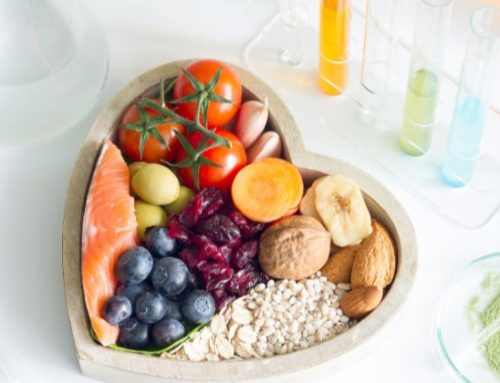
One of the most powerful ways to tap into your GLP-1 potential is through your diet.
By eating the right foods, you can naturally support GLP-1 production – helping to reduce inflammation, burn fat, stabilise blood sugar, and protect your heart.
This week I’ve been diving deep into all things GLP-1 – not the synthetic stuff, but the real, powerful kind your body makes on its own. And what I’ve found, aligns with what I’ve always suspected:
We never needed a prescription to feel satisfied.
We just needed to give our bodies what they’ve been craving all along.
Let’s dive in…

2 Things I’ve Learnt
GLP-1: Your Body’s Fullness Messenger
So… what exactly is GLP-1?
While you could be forgiven for thinking it’s just another celebrity weight-loss trend, it’s actually a hormone your body naturally produces in response to eating. It acts like an internal signal system designed to tell your brain:
“You’re good now. We’ve had enough. Time to slow down.”
But that’s just the beginning.
This clever little hormone does a whole lot more than curb appetite. Here are just a few of its greatest hits:
- Improves insulin sensitivity, helping your body use sugar for energy (instead of storing it)
- Slows digestion, so you stay fuller for longer
- Protects your heart by improving metabolic markers
- Reduces inflammation, the silent troublemaker behind most chronic illnesses
- Shields your brain, with studies suggesting protective effects against Alzheimer’s
- Encourages fat burning by helping your body better manage cravings and energy
Basically, GLP-1 is your inner wellness multitasker.
But if you’re thinking the answer is to jump on the drug train – like so many others are doing – there’s a catch. A big one.
The synthetic versions (Ozempic, Wegovy, Mounjaro) might help the kilos drop off, but they come with serious trade-offs. Which generally happens when you try and interfere with mother nature and your body’s own natural processes.
Apart from a long list of nasty side effects, including vision loss, research shows that up to 40% of the weight lost with these drugs can come from lean muscle – especially if protein intake and resistance training aren’t sufficient. And as we know, muscle is your metabolic engine. Lose it, and everything slows down. – your energy, strength, resilience, and metabolism.
And here’s the friendly reminder:
We Unstoppables warriors would never dream of outsourcing what our body already knows how to do, right?
Especially when we know we can support our own GLP-1 production naturally, safely, and powerfully, just by feeding it right.
Let’s go!

Foods That Light Up & Boost Your GLP-1 Naturally
Let’s talk food. Because this is where the magic starts to happen.
GLP-1 loves nutrient-dense, whole foods. The kind your great-grandmother would’ve cooked with. These foods don’t just fill you up – they switch on satiety, balance blood sugar, and calm those pesky cravings.
Here are the top GLP-1-boosting food categories, and why they matter:
Protein
Protein is the GLP-1 MVP. When you eat protein, your gut breaks it down into amino acids that activate GLP-1-producing cells. That means more fullness, fewer cravings, and less overeating.
And that’s just the beginning. Protein also helps to:
- Balance blood sugar
- Boost metabolism (your body burns 20–30% of protein calories just to digest it!)
- Build muscle—your number one ally in sustainable weight management
You may have heard that we should aim for 30g of protein per meal – or at least that’s what I’ve been hearing a lot lately. That might sound impossible if you’re not eating much protein right now, but don’t stress.
It’s not about perfection—it’s about small swaps, simple planning, and steady progress.
Fibre
Fibre feeds your gut bugs, which ferment it into short-chain fatty acids that spark GLP-1 release.
Add more berries, chia seeds, lentils, veggies, and oats – your gut (and your hormones) will thank you.
Healthy Fats
Fat slows digestion and stimulates GLP-1. Think avocado, grass-fed butter, extra virgin olive oil, nuts, seeds, and oily fish.
Polyphenols
These colourful plant compounds (hello blueberries and green tea!) support your gut microbiome and act like fertiliser for the good bacteria that help GLP-1 thrive.
Bitter Foods
This one surprised me. Bitter compounds like those in rocket, grapefruit, and dandelion greens activate gut receptors that tell GLP-1 to wake up and get to work.

Fermented Foods
Kefir, yogurt, kimchi, sauerkraut, kombucha—these nourish your gut and strengthen the gut-brain connection, helping GLP-1 do its thing more effectively.
Foods That Crash Your GLP-1 Levels & Party
Now that we know the foods that help support our GLP-1 levels naturally, it’s time to check out the things that don’t just fail to support GLP-1 – they sabotage it.
These foods scramble your hunger signals, spike your blood sugar, and mess with the hormones that are trying to keep you balanced.
Here are the biggest offenders:
Ultra-processed foods
Think supermarket aisles, packaged snacks, fake meats, sugary cereals, and fast food. These wreak havoc on your gut microbiome and leave you craving more before you’ve even digested the last bite.

Excess sugar
Not just the obvious sweets, but sneaky sugars in sauces, breads, and those “healthy” bars. Sugar inflames the body, wears out your insulin response, and weakens GLP-1 production over time.
Blue light
Okay, so it’s not something you chew, but light is the ultimate food for your cells. And blue light, especially at night, is a major GLP-1 sabotager.
Too much artificial light after sunset disrupts your circadian rhythm, spikes cortisol, and scrambles your metabolism, interfering with the hormonal signals that help regulate hunger and fullness (yep, GLP-1 included).
While GLP-1 isn’t directly triggered by light, circadian disruption from artificial light at night scrambles your hunger and fullness hormones – including GLP-1’s upstream partners like leptin, ghrelin, and insulin
Taming your evening light might just be one of the most overlooked tools for natural appetite regulation.
So switch off, dim down, and throw on those blue blockers after dark. Your hormones will thank you.
These foods (and lights) might feel satisfying in the moment – but they’re robbing your body of the chance to feel genuinely full.
The kind of full that feels calm, energised, and stable.
This week, ask yourself:
“Am I feeding my lifestyle driven hunger and cravings… or nourishing my hormones?”
Because when we work with our body’s chemistry, everything else starts to feel easier.
✅ Action Item: Reflect on the meals you had last week. Were they GLP-1 supporters or sabotagers? Now, think about the week ahead. Is there something you can change that will help you feel full naturally, rather than leave you feeling unsatisfied.
And if you need a hand hitting your protein goals, you can grab my High Protein Food List or my go-to guide on how to protein-ify your breakfasts with 30+ delicious recipes, all packing 30g+ per serve.

3 Things To Explore
How Healthy Circadian Rhythms & GLP-1 Go Hand-in-Hand
GLP-1 doesn’t just respond to what’s on your plate – it responds to how you live.
Circadian rhythm factors like light, meal timing and rest… these things shape your internal rhythms, and when your rhythms are off, your hunger and satiety signals get scrambled too.
Here are a few Unstoppables circadian-aligned ways to naturally support GLP-1 production – no supplements or prescriptions required:
Get morning light
Sunlight first thing in the morning helps set your circadian clock, regulate cortisol, and improve insulin sensitivity—all of which impact GLP-1 signaling.
Aim for 10–15 minutes of natural light exposure within an hour of waking.
Front-load your meals
GLP-1 levels tend to be lower in the morning and higher at night—but starting your day with a protein-rich breakfast can stabilise your blood sugar, reduce cravings, and set the tone for a more balanced appetite throughout the day.
Ditch the blue light after dark
As we saw earlier, artificial light at night disrupts hormone signaling—including GLP-1. Blue blockers, dim lights, and screen-free wind-down time can do wonders for your metabolism.
Sleep like it matters (because it does)
Poor sleep lowers GLP-1, raises ghrelin (your hunger hormone), and weakens willpower. Deep, restorative sleep is like hitting reset on your hormones.
Aim for 7–9 hours of good-quality sleep in a pitch black, cool and quiet room.
These are small shifts, but they add up—especially when paired with a nourishing diet.
Lifestyle Habits That Power Up GLP-1: Move, Breathe, Slow Down
We’ve worked out that food matters and that circadian timing matters – but let’s not forget the simple, foundational habits that also fuel your fullness switch that also GLP-1 matter:
Move your body
Exercise, especially resistance training and walking, stimulates GLP-1 and improves your insulin response. Movement also boosts mood and motivation, making healthier choices easier.

Manage your stress
Chronic stress raises cortisol and suppresses GLP-1. Breathing, stretching, journaling, prayer, walking in nature—it doesn’t have to be fancy, it just has to feel like you.
Eat mindfully
Slow down, chew, notice. Mindful eating gives your body time to release GLP-1, stabilise blood sugar, and feel satisfied.
Eat in rhythm
Consistent meal timing (and avoiding late-night snacks) supports your gut’s natural hormone flow—including GLP-1. Ideally, you want to finish dinner before sunset (or at least a good 2 – 3 hours before bed) and then put up the “kitchen’s closed” sign until breakfast,
Sometimes it’s not about doing more. It’s about living in a way that lets your body do what it already knows how to do. And the beautiful part?
When you live in alignment with nature’s rhythm, you’re supporting more than GLP-1—you’re supporting every system in your body.
✅ Action Item: Looking at the list of GLP-1 supporting foods and activities, out of 10, how would you rate your GLP-1 friendliness? This is not about perfection or guilt, but a quick check in on whether your GLP-1 hormones need a little more TLC and love.
You Are The World
To the world, you are a mother. To your family, you are the world – unknown.

Happy Mother’s Day to all the wonderful Mums in the world.
The security of your love, the gentleness of your hugs and kisses, the generosity of your time, your soul, your very being and the fierce protection of your babies, means the world to them.






Leave a Reply