

The best healing and wellness support system we have is Nature. Yes, Mother Nature!
Here is the latest edition of 1 thing I’m doing, 2 things I’ve learnt and 3 things to explore lovingly created so you can live a happier, healthier and longer life. Much love, Sandy xx
1 Thing I’m Doing
The Scary Things Lurking In Your Kitchen
The scariest thing in my kitchen isn’t my partner’s cooking skills (although one has to worry when you hear “how much salt should I put in the pasta water?” coming from the kitchen. It’s the toxic crap hiding in plain sight. Not that there’s too much in our kitchen, but we do have a few “BPA free” plastic lunch containers and a plastic ladle (soon to be replaced) still lurking around.
Kitchens can be a toxic soup and hot mess. Plastic appliances, chopping boards, microwaves, Teflon pans, and dish soaps are bombarding you with a chemical cocktail of PFAS, PFOS, BPA, BPS, EMF, phthalates, microplastics and a plastic partridge in a microplastic pear tree.
And if that wasn’t bad enough – all of this stuff gets way worse when heated or scratched. That pristine teflon pan might seem harmless, but the moment it’s scratched thousands of particles are released into your food. Same goes for those plastic utensils that melt just a little too easily. And as for that microwave oven, don’t even get me started.
So, while you’re grinning ear to ear cooking your family fave Tuesday Tacos, you might unknowingly be marinating it in microplastics and endocrine disruptors.

Ultimate Kitchen Detox: 20 Swaps for a Healthier Home
Ready to make some swaps? Here are some of my top kitchen swaps and here’s to you making it your mission to detox your kitchen this year.
- Microwave → Use anything but a super EMR radiator microwave. My personal fave and all rounder is my Le Creuset pot.
- Plastic chopping board → Swap for a wooden or bamboo chopping board
- Teflon / non-stick pans (PFAS-laden) → Switch to cast iron, stainless steel, or ceramic-coated cookware
- Seed oils eg canola, safflower, sunflower → Use butter, ghee, olive oil, or coconut oil
- Plastic kettle (a BPA and oestrogen bomb)→ Use a stainless steel or glass kettle
- Toxic dish soap → Use a natural dish soap or DIY (see below)
- Plastic food storage containers → Swap for glass or stainless steel containers
- Plastic cooking utensils (spatulas, spoons, ladles, mashers) → Replace with wooden or stainless steel
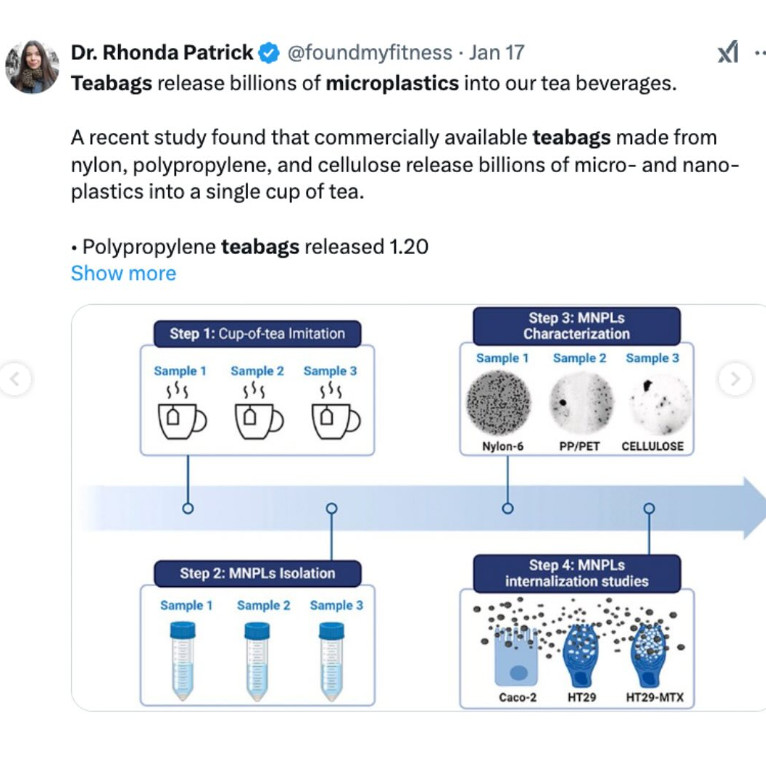
- Tea bags (often contain plastic, nylon, and release microplastics in hot water) → Use loose-leaf tea with a stainless steel infuser

- Coffee maker with plastic parts → Switch to a stainless steel French press or stove top percolator
- Bleached paper coffee filters (chlorine residues, microplastics) → Use unbleached filters or a stainless steel coffee filter
- Plastic wrap (leaches phthalates into food) → Swap for beeswax wraps, silicone lids, or glass storage
- Plastic straws → Replace with stainless steel or bamboo straws
- Tap water (potential contaminants include chlorine, fluoride, microplastics, heavy metals, pharmaceuticals) → Use a high-quality water filter or reverse osmosis
- Conventional non-organic produce (pesticides, GMOs, hormone disruptors) → Buy organic and locally grown produce whenever you can and grow whatever you can. Every bit helps!
- Canned foods (lined with BPA, endocrine disruptors) → Opt for glass jars
- Conventional table salt (often contains anti-caking agents and microplastics) → Use unrefined Celtic sea salt or Himalayan salt
- Air fryers with non-stick coating → Le Creuset pot anyone?
- Pre-packaged frozen meals in plastic trays → Cook and freeze homemade meals in glass containers
- Too hard, can’t be bothered, don’t have enough time mentality → I’ll just make one simple change at a time, rather than striving for perfect attitude.
✔️ Action Item: It’s easy to get overwhelmed but you don’t have to. When something breaks, replace it with something better. Small, simple changes all add up so here’s to making at least one this week. 💪

2 Things I’ve Learnt
Your Plastic Cutting Board is Feeding You Microplastics
Have you ever stayed at an Airbnb where the plastic chopping board looked like something out of a crime scene? Or does your plastic chopping board look like this at home? If so, it might be time to rethink what you’re chopping your healthy veggies on.

Studies show that plastic cutting boards can shed up to 50g of microplastics per year into your food. That’s the equivalent of eating 10 credit cards worth of plastic annually. Yep. Yummo!!
Want to avoid eating your lunch and dinners with a side of credit card? Simple. Just switch to wood or bamboo chopping boards instead. Not only are they easy on the eye, but they also have natural antibacterial properties—unlike plastic, which can trap bacteria deep in its grooves.
PS – You can check out my newest chopping board here. One of our old ones somehow went missing between packing up our camp site and coming home last month. This board has got the tick of approval from everyone in the family – including the 14 year budding chef in the house. 👨🍳

And Your Plastic Kettle is Leaching Oestrogen
Whilst that morning cup of tea or coffee may be just what you need to hit the spot, that oestrogen leaching out of your plastic kettle isn’t!
We know plastic products release oestrogen or have estrogenic activity (EA). This is pretty irrefutable. What we don’t know is how much, how fast, how the quantity and rate changes based on varying conditions, and how does this effect men vs women at different stages of their life.
And in fact, it’s not just your plastic kettle, but all your plastic containers and bowls, plastic utensils and plastic cups. The plastic kettle just got a particularly hard time as it’s constantly under high temperature, which makes the situation far worse.
In the study “Most Plastic Products Release Estrogenic Chemicals: A Potential Health Problem That Can Be Solved”, it found that not only did all commercially available plastic leach chemicals having estrogenic activity, including those advertised as BPA free, but that in some cases the BPA-free products “released chemicals having more EA than did BPA-containing products.”

Plastic products that have estrogenic activity can produce many health-related problems, and as the study mentions specifically, such as early puberty in females, reduced sperm counts, altered functions of reproductive organs, obesity, altered sex-specific behaviors, and increased rates of some breast, ovarian, testicular, and prostate cancers. It’s just another toxin that our body’s need to deal with in this modern world.

The good news is, this one is avoidable. We just need to make better choices when it comes to food purchase, preparation, and storage, which is where 80% of your exposure is assumed to come from. Whilst not completely conclusive, this study also found that just 30 days of changed behaviour, resulted in lower oestrogen blood levels. It’s all very do-able, if the will is there.
✔️ Action Item: Schedule in a little kitchen detox. Opt for using glass, ceramic and stainless steel and try and give as much plastic as you can the permanent flick.
3 Things To Explore
Fermented Foods Can Help Detox BPA From Your Body
Feeling a bit overwhelmed by the BPA, microplastic, estrogen leaching plastics in your kitchen? Have no fear! At Unstoppables, I love not only sharing the things to watch out for with you (so you can make better choices) but also arming you with the solutions. So, if microplastics and BPA are a worry, then here’s perhaps a delicious way to counteract them.
We know that BPA is one of those nasty chemicals hiding in plastics, from food containers to water bottles to receipts. It’s a known endocrine disruptor, meaning it can mess with your hormones, metabolism, and even brain function.
The good news? Eating your way to good health, just took a brand new turn.
A study found that fermented foods like kimchi, sauerkraut, and yogurt can help break down and remove BPA from your system. It appears that certain probiotic strains – especially Lactobacillus – can bind to and degrade BPA, reducing its harmful effects. Clever right? Mother Nature always has our back. ❤️

In this study, Lactobacillus acidophilus from yoghurt was found to decrease the level of BPA by 82% whilst this recent study gave Lactobacillus reuteri the big thumbs up for the same thing. Hungry for more? Another study showed that Bacillus subtilis had the highest BPA degradation performance, degrading 97.2% of 10 mg/L of BPA within 9 hours.”
Even more exciting? Research suggests that eating a diet rich in fermented foods not only helps clear BPA but also strengthens your gut microbiome, which plays a key role in immune health, digestion, and even mental clarity. So if you’re one of the 8 billion people on this planet that has been exposed to BPAs and microplastics, eating more fermented foods is a powerful way to support your body’s natural detoxification system. Dig in!
Nanna’s Best Natural Cleaning Products To The Rescue
Before we had aisles full of chemical-laden cleaning products, our grandparents kept their homes spotless with simple, effective, and non-toxic solutions. Here are some of Nanna’s best cleaning secrets that actually work for you to explore this week:
🧼 All-Purpose Cleaner: Mix equal parts white vinegar and water with a few drops of lemon essential oil. It cuts through grease and disinfects surfaces naturally.
✨ Glass & Mirror Cleaner: A mix of white vinegar and newspaper leaves windows streak-free—no harsh chemicals required.
🛁 Scrub for Sinks & Tubs: Sprinkle baking soda, spritz with vinegar, let it fizz, then scrub away grime effortlessly.
🍋 Deodorise Chopping Boards: Rub a cut lemon over your wooden board to kill bacteria and neutralise odors.
🔥 Oven Cleaner: Forget toxic sprays. Make a paste of baking soda and water, spread it inside your oven, let it sit overnight, then wipe away for a chemical-free clean.
🚰 Drain Freshener: Pour baking soda and vinegar down the drain. Call the kids for a little theatrics as you watch it bubble up. Flush with boiling water for a natural unclogging fix.
🥦 Veggie Wash: Soak your fruits and vegetables in a mix of water, apple cider vinegar, (and baking soda for extra oomph) to remove pesticides, wax, and bacteria. Rinse well before eating.
These tried and tested methods are not only safer for you but they’re also better for our planet too. Plus, they save you money, so win, win, win!

The Kitchen Is The Castle
The kitchen really is the castle itself. This is where we spend our happiest moments and where we find the joy of being a family.” – Mario Batali





Leave a Reply